
How Do You Prepare Your Trees for Storms?
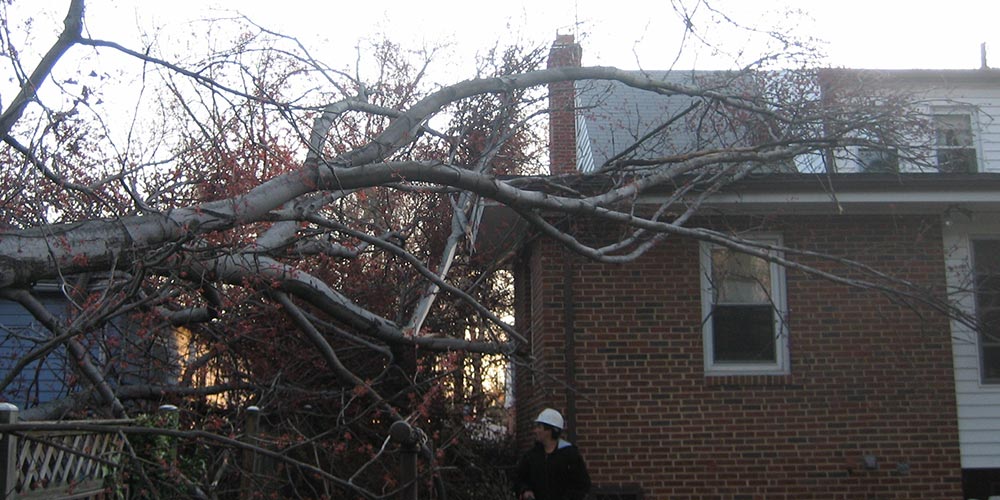
Hurricane season brings strong winds, torrential rainfall, and the possibility of falling branches or downed trees. As a homeowner, you must respond quickly. Preparing trees in advance is bound to save structures, increase tree stability, and reduce costly storm damage.
Healthy trees are more likely to resist harsh conditions when correctly cared for.
Hurricane tree preparation is also likely to reduce the likelihood of costly cleanup, emergency tree storm damage removal, or damaged property during the peak of the hurricane season.
Are you wondering how you can prepare your trees for storms? Here is how to go about it as given by tree services experts:
Inspect the tree before the storms
The first step in preparing for storms is to conduct a thorough tree assessment. Inspect trees for evidence of frailty or structural instability. A drooping tree trunk, damaged or detached branches, and exposed roots indicate the need for a deeper look.
Damaged limbs, especially those that grow too close to buildings or electrical lines, increase the danger of property damage. Weak roots and soil erosion near the tree’s base further reduce its anchoring potential.
Taller trees or those with huge canopies require more attention. Look for stress signs, such as diminishing foliage, an uneven shape, or low-hanging branches.
Consulting a trained arborist might help discover stressed trees or hidden issues before a storm hits. With expert advice, you can devise a strategy to keep your trees standing strong during hurricane season.
Prune low-hanging branches.
Pruning is one of the most effective ways to prepare your trees for storms. Targeting dead limbs, weak branches, and overgrown tree branches improves wind drag and lowers the likelihood of failure during a large storm.
Removing disconnected branches and thinning dense canopies enhances ventilation, increasing the tree’s chances of staying upright.
Proper tree maintenance requires effective pruning techniques that conserve the natural shape and prevent damage to healthy tree limbs. A skilled tree service will avoid pruning too close to the trunk and will not remove excessive vegetation.
Keeping stable limbs intact promotes tree stability and helps to maintain a balanced structure under the pressure of severe winds and heavy rain.
Remove dead trees
In some cases, tree removal is the most effective way to protect your property. Dead trees, those with root disease, and trees that lean toward buildings or utility wires pose a clear risk.
Large trees with limb fissures or apparent trunk rot may collapse unexpectedly during severe weather. Even a healthy-looking tree can have internal problems that compromise its stability.
Unmaintained trees can soon become hazards when the wind comes up. Removing them before the storm season allows stronger trees to develop and reduces the risk of property damage.
Before the hurricane season begins, ask a trained arborist to assess which trees are at risk of harm and recommend the best way to remove them.
Thin the canopy of large trees.
Thinning out the canopy of larger trees is a proactive way to increase wind resistance and reduce storm damage. Allowing wind to pass through more readily lessens the likelihood of branches falling off during storms.
Enhancing canopy thinning helps maintain the structural integrity of your trees and reduces the chance of harm to your property.
Water the trees
Regular tree watering is essential for tree health, especially during dry periods. Well-hydrated trees are better able to withstand drought stress, increasing their resistance to storm damage. By prioritizing proper hydration, you can strengthen and stabilize your trees, making them less vulnerable to damage during bad weather.
Take good care of your trees.
Building tree resilience requires more than a single seasonal inspection. Long-term maintenance promotes strong, deep-rooted tree development that withstands hurricane conditions.
Regular fertilization promotes healthy soil and supplies nutrients for stronger root systems. Monitoring for insect infestations and using appropriate tree care solutions helps prevent stress from spreading throughout the tree.
To avoid root damage, manage damp soil, reduce traffic at the base, and fix compacted or disturbed earth. Healthy trees benefit from consistent attention to proper soil care and trimming techniques.
Even palm trees and taller varieties can establish stable limbs and a weatherproof root system, which can safeguard them from future storms with regular upkeep.
What to do in the event of storm damage to your trees.
Just because you are ready for storms doesn’t mean that your trees won’t be damaged. In some cases, they will, and how you react when they are damaged is vital. To help you out, here is what you should do:
Assess the damage carefully
Before taking any action, it is critical to assess the damage safely. Avoid rushing outside right after a storm, as there may be hidden hazards such as downed power lines, unstable branches, or weakened tree trunks.
Always prioritize personal and others’ safety before determining the extent of the damage. This calls for you to:
- Wear protective gear, including gloves, hard helmets, and safety eyewear.
- Avoid hanging branches and trees that are dangerously drooping.
- Keep all kids and pets away from the affected area.
Avoid doing the work yourself.
Instead, get a professional tree service to help you out. While lesser debris, such as twigs and branches, may be manageable even without any training, larger trees or extensive damage necessitate professional attention.
Attempting to cut or remove massive, storm-damaged trees without the necessary tools and skills can result in serious harm. And you don’t want this.
Consider hiring a qualified arborist or a professional tree service with experience in storm-damage cleanup.
Use a chainsaw or other power tools only if you have been trained and have the necessary safety equipment.
Parting shot
You must prepare your trees for storm damage. To make it easier, work closely with experienced tree service providers. A skilled professional will provide you with effective tree care services tailored to hurricane readiness.
Professional arborist services Chevy Chase include structural pruning, soil enhancement, and the removal of vulnerable trees when needed. They will also undertake extensive tree evaluations to identify problems early on and help you maintain your outdoor spaces.
Hiring a professional tree care provider allows you to learn about wind-resistant tree types, correct post-hurricane tree care, and early warning signs of deterioration.
Whether the goal is to secure trees or prevent emergency calls after a storm, working with a committed professional gives you peace of mind. An organized approach to tree care results in healthier trees that are safe for everyone, even during storms.