
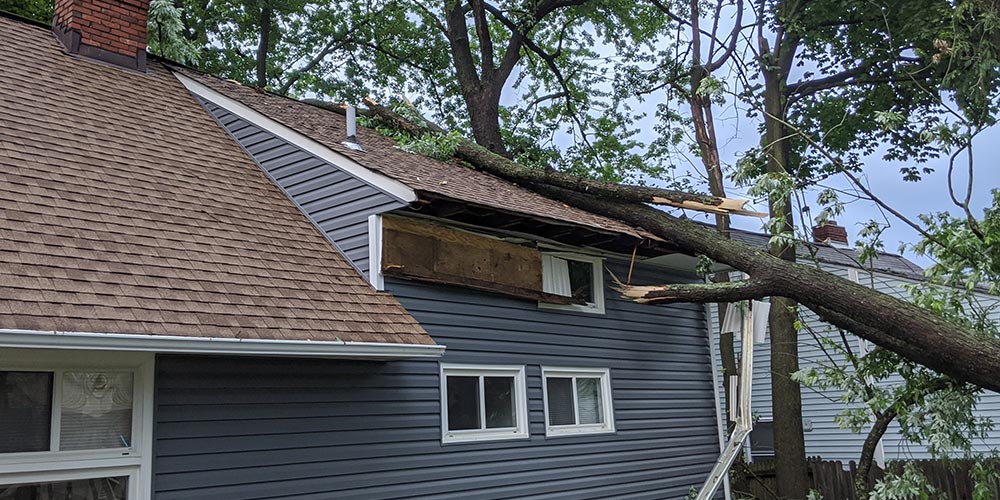
Tree Services You Shouldn’t Skip This Winter
As temperatures drop and the possibility of snow, ice, and strong winds grows, it is critical to take great care of your trees. In this post, we will look at essential tree services that you should never overlook throughout the winter months.
Protect the trees from freezing.
Be prepared to safeguard your most vulnerable trees when temperatures drop below freezing. This is because young trees and particular tropical/subtropical species cannot withstand freezing temperatures below 32 degrees.
To prevent your trees and plants from freezing, cover sensitive plants with burlap, sheets, tarps, or other materials that reach the ground to trap the earth’s stored heat.
You should use a frame or stakes to reduce contact between the cover and the vegetation. Remember to take off the tarps or sheets every morning so that your trees may get new nutrients.
You also should move potted plants and trees to more protected areas. This is because moist soil absorbs more solar energy than dry soil, and it reradiates heat at night.
Water the trees to protect them from winter burn.
Winter burn, also known as desiccation, is a type of damage that occurs when trees, particularly evergreens, lose more moisture than they can absorb during winter months. Many homeowners believe snow supplies adequate moisture, but this is not always the case.
The key to preventing the burn is applying water to the trees. The key to successful winter irrigation is timing and technique. Choose days when the temperature rises above 40°F and the earth hasn’t frozen solid.
You should strive to water trees in the morning so the water can absorb into the soil before the temperatures dip below freezing again at night.
Young trees, especially those planted within the last two years, require extra care during this period because their root systems are not fully formed.
Some signals that your trees need water are:
- Evergreen needles turn brown or yellow.
- Dry, crumbling soil in the root zone
- Wilting or curling leaves on broadleaf evergreens.
- Branch tip dieback in the spring.
To be on the safe side, water young trees once a week or every two weeks. For each watering, use approximately 10-15 gallons. Watering newly planted trees is especially crucial, as it helps them recover from the stress of transplantation.
You should water mature trees once per month or every other month. Use 10-15 gallons of water for each inch of trunk diameter measured at standard height (DSH), which is 4.5 feet above ground.
For example, a tree with a 10″ trunk diameter at breast height would require 100-150 gallons of water (equivalent to 4 or 5 loads of washing). Don’t forget to apply water slowly so it can seep into the ground.
In addition to irrigating your trees during winter, you should also consider using anti-desiccants for additional protection.
Anti-desiccants are compounds that help evergreens retain moisture by producing a protective layer on their leaves or needles. These sprays prevent water loss through transpiration, which is especially beneficial for trees exposed to strong winter winds or direct sunlight.
You should apply anti-desiccants on a dry day with temperatures above freezing.
Protect the trees from salt damage.
Salt damage is one of the most ignored dangers to winter tree health, particularly in cities and suburbs. Road salt and ice-melt materials can harm tree health through direct contact and soil contamination.
Silver maples, littleleaf lindens, and dogwoods are especially susceptible to salt injury, exhibiting signs such as leaf burn, early fall coloring, and twig dieback on the road-facing side of the tree.
To help you out, here are some practical things you can do to safeguard your trees and landscaping from the damaging effects of road salt.
Use physical barriers: Protect vulnerable trees and shrubs from salt spray by installing burlap screens, snow fencing, or wooden panels.
Redirect runoff: Dig drainage channels to keep salty water from reaching your tree’s root zone.
Use salt alternatives: When possible, choose less damaging de-icing products such as sand, kitty litter, or calcium magnesium acetate around trees and plants.
Flush salt from soil: During winter thaws, soak the soil in water to help flush away accumulated salt.
Raise planting beds: Building raised beds or berms around trees near roads or sidewalks helps decrease their exposure to salty runoff.
Protect the roots using mulch.
Mulch serves as a protective blanket for your trees during the winter. A 2- to 4-inch layer of mulch can help regulate soil temperature, reducing the risk of freeze-thaw cycles that can harm tree roots. It also maintains moisture in the soil, keeping the roots wet during dry spells.
When applying mulch, spread it evenly in a wide circle around the tree’s base, extending to the drip line (the outermost branch tip) if possible. Avoid placing mulch directly against the trunk, as it may retain moisture and promote root rot. And you don’t want this, do you?
When choosing your mulches, go for organic ones. Organic mulches, such as shredded bark, wood chips, or pine straw, perform best since they decompose over time and improve the soil.
Mulch is especially crucial for newly planted, young, or exposed trees whose roots are more susceptible to freezing temperatures.
Prune the trees
Trim trees and shrubs during dormancy to help them preserve energy for spring development. These are critical components of winter pruning. The absence of leaves makes it easier to recognize weak or broken branches.
Pruning in winter decreases stress, reduces the risk of illness, and encourages stronger, more vibrant growth in the following seasons.
Identifying and removing dead or diseased branches is critical during winter trimming. Compromised branches endanger the tree’s health and deplete its nutrients.
To make it easier, use the correct tools. This way, you get to have clean cuts and faster recovery.
You can do the pruning, especially if the trees are small, but if the tree is large and poses a danger to your property, you are better off hiring tree removal services Bethesda. As a rule of thumb, ensure that the professionals you hire are experienced and insured.