
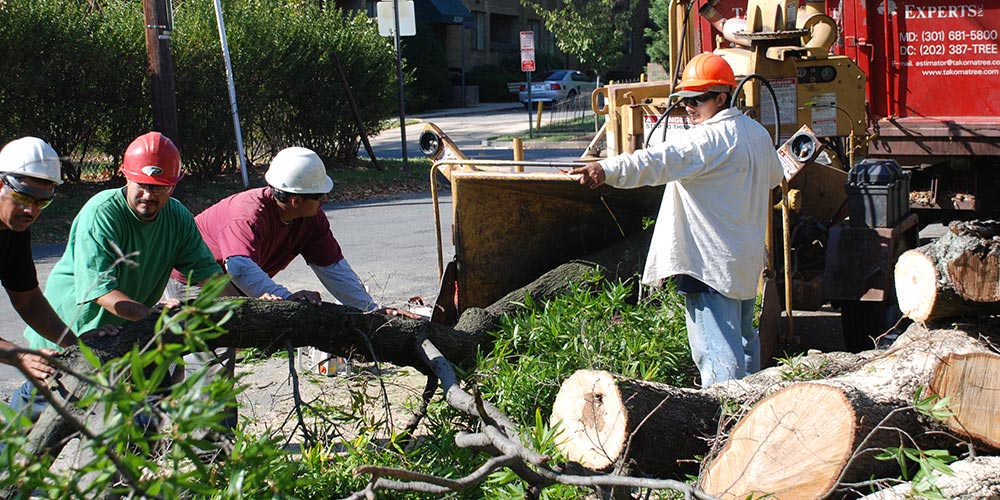
Tree Cutting Made Easy: A Homeowner’s Guide
Cutting down a tree may appear like a simple task, but it requires some levels of skill and prudence. From understanding the proper procedures to ensuring safety at all times, mastering the art of tree cutting is crucial for anybody wishing to embark on this challenging task.
In this blog post, we’ll look at the key techniques, equipment, and safety precautions you need to consider for effective and safe tree removal. This guide will provide you with the knowledge you need to cut trees with confidence and care, even without the help of tree removal services.
Continue reading to learn more about tree cutting fundamentals, tree trimming methods, and best practices for dealing with stumps and giant trees.
Safety should be at the top of the list.
Cutting down giant trees requires the highest level of safety. A hard hat to protect against falling debris, safety glasses to shield the eyes from sawdust and wood chips, hearing protection to prevent noise damage from the chainsaw, gloves for a better grip and hand protection, chainsaw chaps or protective pants to shield the legs from accidental contact with the chainsaw, and sturdy, protective footwear to safeguard the feet are all examples of essential personal protective equipment (PPE).
You also must ensure that your chainsaw is well-maintained and that you are aware of its safety features, such as the chain brake, which can rapidly halt the chain in the event of a kickback. Keeping a first-aid kit on hand is also essential for dealing with any minor injuries that may occur.
Prepare and plan
Before starting the task, it is critical to inspect the tree and its environment thoroughly. Inspect the tree for evidence of illness, dead branches, or structural flaws that may complicate the felling process.
Examine the area surrounding the tree for potential hazards, such as buildings, electricity wires, and other trees that could be damaged or cause further risks. Clear at least two escape routes, preferably at a 45-degree angle from the direction of the fall, to provide a safe withdrawal in the event of an unforeseen development.
Make the right cuts
Creating a notch cut is an essential step in controlling the tree’s fall. The face cut is made up of two cuts: the top cut, which is made at a 45-degree angle downward and extends about one-third of the way into the tree, and the bottom cut, which is made horizontally to meet the top cut, creating a notch that faces the fall direction.
The notch serves to direct the fall and keeps the tree from splitting abruptly backward.
To form a hinge, make the falling cut on the opposite side of the notch, slightly above the bottom. This hinge is essential because it helps control the direction in which the tree falls. Larger trees frequently require the use of felling wedges.
You insert these wedges into the back cut to keep the tree from pinching the saw and to help direct the tree’s fall more precisely. When the tree begins to move, stop cutting and use the designated escape routes to get to safety.
Undertake limbing and bucking.
After the tree is on the ground, the following steps are limbing and bucking. Limbing is the process of removing branches from a tree starting at the base and working up. It is critical to exercise caution while dealing with stressed branches, as they can snap back unexpectedly.
After climbing, you buck the tree, which means you divide it into portions or logs. Measure and cut the tree based on its intended purpose, whether for fuel or lumber. Make clean cuts and avoid cutting into the ground, as this will dull the saw’s blade.
Think about cleanup and safety.
After felling the tree, remove any branches and debris to avoid tripping hazards. Properly dispose of the wood according to local regulations, whether splitting it for firewood or carting it away for other purposes. To prevent accidents, always keep the area safe and tidy.
Plan for stump removal.
Removing tree stumps can be a challenging but necessary task for maintaining the appearance and safety of your yard. There are various successful methods for removing tree stumps, ranging from manual procedures to the use of specialized equipment and chemicals. Some of the strategies that you can use include:
Using a stump grinder.
A stump grinder is a powerful piece of equipment designed for grinding stumps below ground level, ensuring total removal. This procedure is the quickest way to remove a tree stump; however, it should only be done by specialists due to the equipment’s intricacy and power.
You can use the ground wood chips as organic mulch in landscaping. An arborist service will grind the stump, ensuring complete removal and providing the quickest way to remove a tree stump.
Manual removal
Tools for manual removal include an axe, mattock, shovel, and, in some instances, a bow saw. The technique consists of excavating around the stump to expose the roots, severing the lesser roots with an axe or bow saw, then cutting through the principal taproot before removing the loosened stump.
This method uses no chemicals and yields quick results, although it is labor-intensive and time-consuming.
Chemical removal
Chemical removal requires stump removal chemicals, water, a plastic sheet, and mulch. The method begins by cutting the stump close to the ground and drilling holes in it.
You then fill the holes with chemicals and water, and protect the stump with a plastic sheet and mulch. This treatment demands patience, as the stump takes 4-6 weeks to soften. It is a low-labor and economical procedure, but the results take many weeks to appear.
Burning the stump.
To burn a stump, you will need kerosene or fuel oil and a power drill. The procedure entails drilling holes in the stump, filling them with kerosene, and lighting them.
This procedure is ideal when you are looking for total removal of the stump, but it is hazardous and may be prohibited in some areas. To avoid mishaps, carefully follow the safety procedures.
Parting shot
Mastering tree-cutting is more than just holding a chainsaw; it requires a thorough awareness of safety precautions, suitable equipment, and successful approaches.
Whether you are a professional arborist services Chevy Chase provider or a do-it-yourself enthusiast, following the guidelines and recommendations described in this guide can make tree cutting safer and more efficient.